Indoor plant care can be tricky, depending on which plants you own and how many you have. Between providing the right lighting, watering consistently, and watching temperature fluctuations, there is a lot to consider in keeping your houseplants alive.
However, those aren’t the only required tasks in indoor plant care. There are many other small tasks that will improve the look and growth of your plants over time. Some are mostly for aesthetics, which could be considered ‘manicuring’, while others do have a long-term impact on plant health. Make sure you tackle these tasks this year to give your plants the best start possible in 2022.
Clean The Leaves
Your first manicuring task is cleaning your plant’s leaves. Outdoors, plants receive a thorough cleaning when it rains, and enough wind to knock off any unwanted debris. Indoors, that is not the case. Homes are dusty and full of stagnant air – an environment not conducive to clean, shiny leaves.
As dust settles on your plants, their ‘breathing’ is obstructed. Plus, dusty plants, like dusty homes, are not particularly pleasing to the eye. Give your leaves a gentle wipe with a cloth every month or two after watering and wipe down the pot to remove dirt.
Remove Debris
The second task, only taking about five minutes out of your day, is to remove any dead leaves or debris around the base of the plant. In nature, plants are consistently surrounded by decaying leaves and plant debris. They prefer it, as these organic materials decompose and add nutrients back into the soil. But indoors, it’s not a great look, and can attract pests and diseases.
Every so often, just before the plant’s next watering, remove any decaying leaves that have fallen off the plant and any other materials obstructing the soil. You can also remove dying leaves from the plant before they drop. This will promote growth as the plant doesn’t expend any extra energy trying to keep a dying leaf alive.
Pruning
Committed indoor gardeners with unruly plants can attempt to prune once a year, although this is not usually necessary for most indoor plants as they grow far slower than they would outdoors.
Pruning promotes new growth and keeps the plant to a more manageable size. You are welcome to let your plants go wild and skip pruning altogether, but if you want your plants to be more compact, this is a good step to take. Hanging plants in particular may benefit from an occasional pruning to lower the pressure of the hanging stems on the base of the plant.
Repotting
Many indoor plant parents forget to repot, only considering the task when the plant shows signs of stress. However, your plants will be far happier when placed in their new pots at just the right time.
Due to their slower growth, most indoor plants will only need to be repotted every 2-3 years, or when their soil begins to degrade. Quick-growing plants may outgrow their pots faster than that, but mature established plants won’t mind a longer period between repotting.
This is one task you certainly don’t want to miss. As the roots begin to outgrow the pot, they may stop taking up moisture and essential nutrients. Growth will also slow and can stop completely, ultimately killing the plant. Degraded soil will have detrimental impacts on the health of your plant as it lacks nutrients and cannot hold onto moisture. If that time has come, make sure you don’t put off repotting this year.
When it comes to the causes of houseplant problems (and demises), water is usually the number one culprit. For beginner gardeners, standard advice such as “water once a week but do not overwater” may be difficult to understand, leading to incorrect practices and unhappy plants. Understanding when to water and how to water is vital to plant care success – here’s how you can ensure you get it right.
When to Water
It may be convenient for humans to live on a schedule, but plants don’t. Their needs are not determined by the days of the week. How often you water your plant will depend on several factors: soil conditions, the amount of light the plant is getting, or the seasons for example. And ‘right time’ almost never coincides with a perfect schedule.
The first factor, soil conditions, relates to the amount of moisture the plant needs in the soil. All plants need water at some point, but they all prefer different amounts.
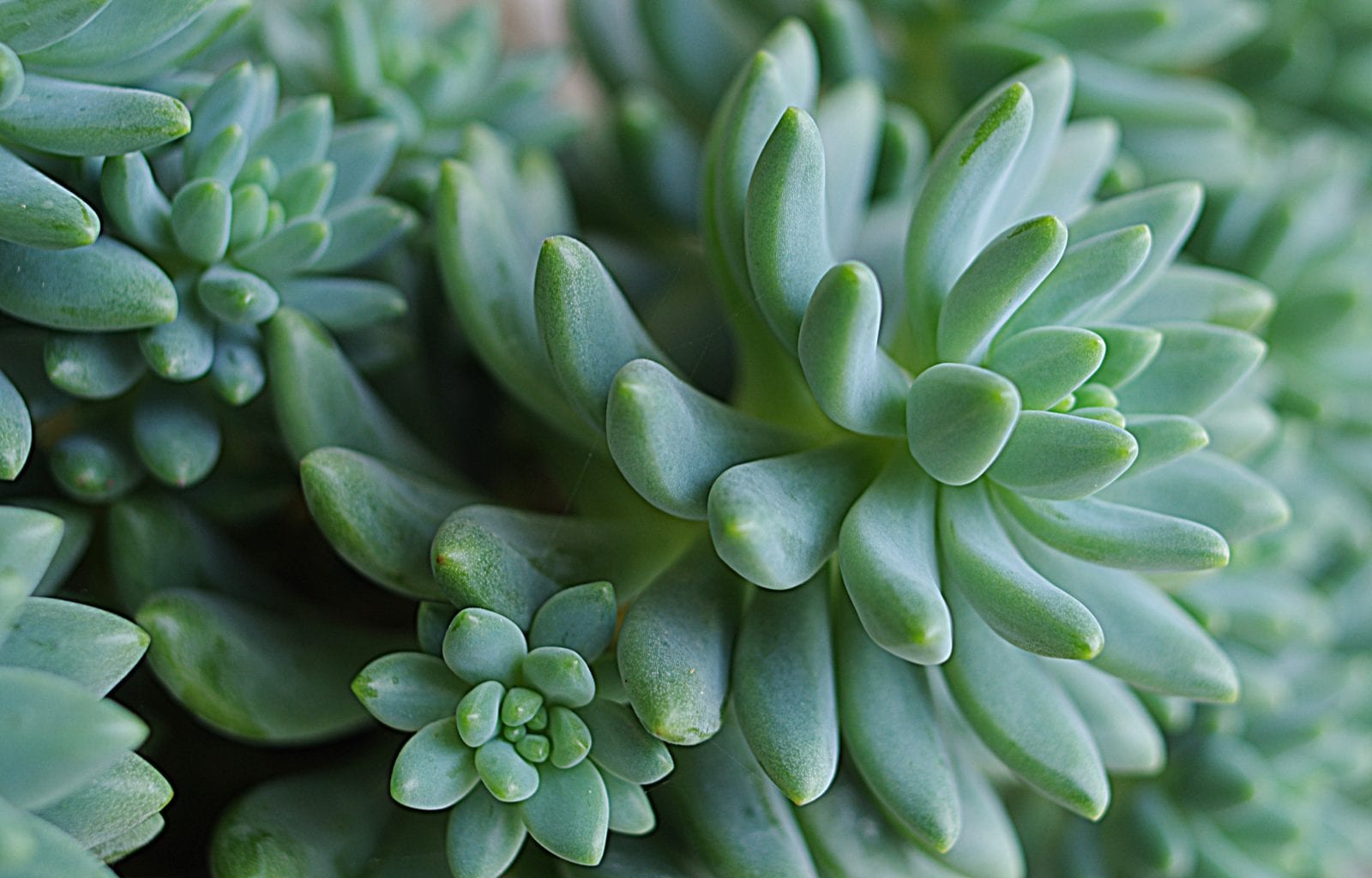
For example, succulents and cacti, holding most of the water they need in their leaves, prefer the soil to be completely dried out before they are watered again. The plant can only hold so much water in the leaves – any remaining water will stay in the soil and may cause the roots to rot.
Most indoor plants (usually tropical plants) need a good amount of water as their leaves do not store much. But they don’t like environments that are too moist either, so the top layer of soil should be dried out completely before watering. Other plants, like ferns with extremely thin leaves, like moist soil and a moist environment (although this does not mean soggy).
The soil will change conditions at different times depending on your environment, how much light the plant is getting, and the seasons (impacted by both changes in weather and increased growth rate in Spring).
Rather than watering your plants on a weekly basis (or whatever period is recommended) test the soil with your finger to determine if your plant needs water, based on the characteristics we interpreted before. If you like routine, you can always set a time once or twice a week to check all your plants and water as needed, instead of having to check them every day, or watering them anyway and facing the dreaded ‘overwatering’ scenario.
How to Water
There are three main methods of watering your indoor plants.
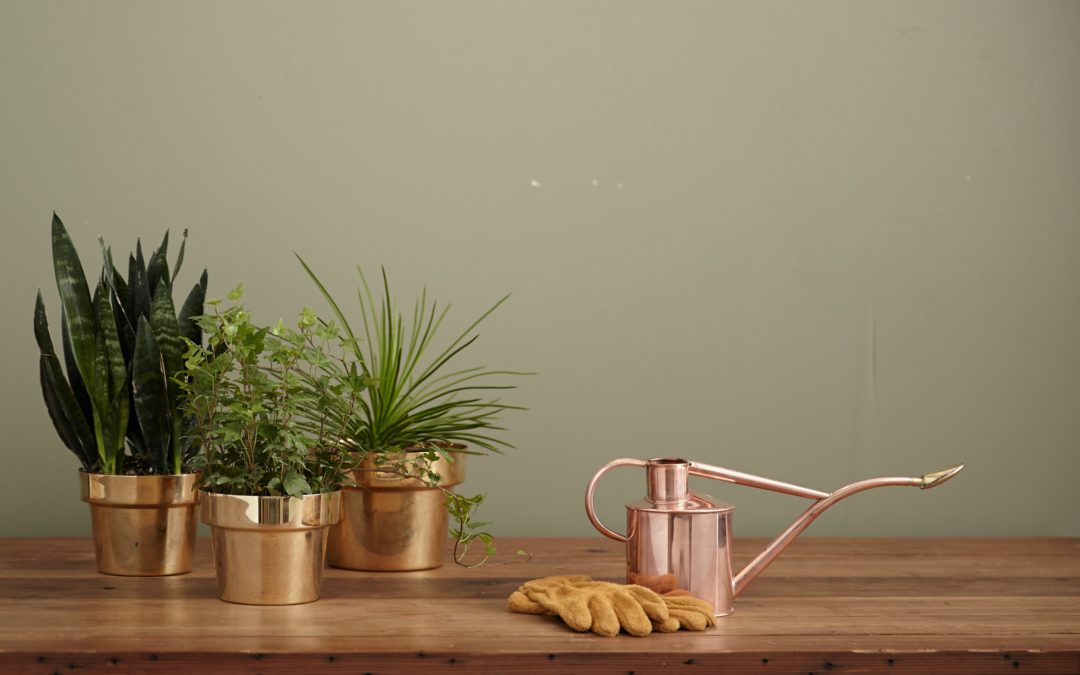
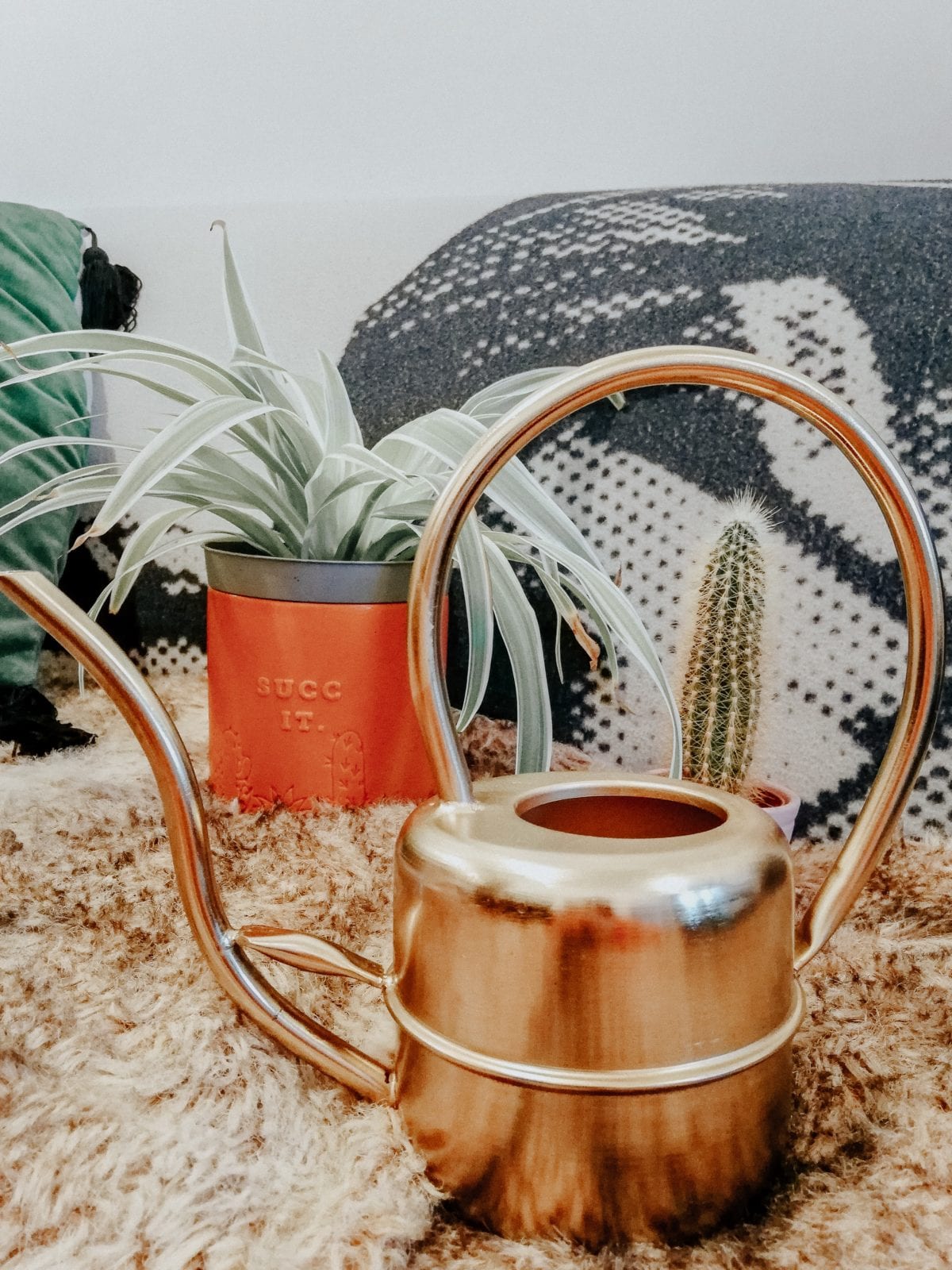
The first is to water gently with a watering can where the plant is placed. This is a handy method for a quick top-up but comes with some caveats. You’ll need to know exactly how much water the pot holds, so you water the soil enough to reach the bottom, but not so much that water runs out the drainage holes at the bottom (and hopefully onto the tray beneath it, not your shelf). If you do overwater, you will have to empty each tray to prevent the water from stagnating. Despite the caveats, this method is ideal for indoor gardeners with little time and a lot of plants.
The second method is watering over the sink, completely drenching the soil, and allowing the excess to run through. This may be tedious if you have a lot of plants, but it is a more reliable method.
If you forgot a watering cycle or two, soaking the soil over the sink may not be sufficient. Extremely dry soil will pull away from the sides of the pot and repel water (called hydrophobic soil). When the soil is extremely dry, the water will run off the top, down the sides of the pot, and out the drainage holes, without penetrating the soil. In these cases, you will need to use the third watering method – submerging.
Fill a sink or large container with a shallow layer of water and place the plants inside, allowing them to draw the water up from the bottom of the container. This way the plants can take up as much water as they need with even distribution. This process takes a couple of hours, but most plants should not be left in water for too long and can be removed as soon as the soil is soaked through.
It’s no secret – the internet loves houseplants. And it’s not hard to understand why. Indoor plants instantly brighten up a room, bring you closer to nature, and are an ideal way for gardeners with no outdoor space to scratch their gardening itch. In fact, there are countless benefits to owning and taking care of indoor plants, from mental health to interior design, and beyond:
Indoor plants are good for your mental health and can relieve stress
Indoor plants turn every day into a self-care day. Studies show our mental health is positively impacted when we’re surrounded by nature. Greenery is proven to lower blood pressure, release muscle tension, and counter the effects of staring at a screen all day (yes, you).
Plants are so good for you, a new branch of mental health treatment centred around gardening has emerged — Horticultural Therapy. The Canadian Horticultural Therapy Association defines it as “a formal practice that uses plants, horticultural activities, and the garden landscape to promote well-being for its participants.” Horticultural therapy has reduced symptoms of depression, anxiety, and PTSD in patients, and improved cognitive abilities in dementia patients.
The presence of plants, and the act of taking care of them, also relieve stress. After a long day at work, instead of flopping in front of your TV or taking out Twitter, let go of your stress by spending some one-on-one time with your plant children. They get the attention they need while you get calmer. It’s a win-win.
Indoor plants increase productivity and memory retention
We all need to be productive sometimes. Incessant distractions like the ping of a notification make focusing on any task almost impossible in the 21st century. For the small price of an indoor plant (and the time it takes to keep it alive), those problems can almost disappear.
A 2014 study by the University of Exeter found that filling your office with indoor plants can increase productivity by up to 15%.
“Simply enriching a previously Spartan space with plants served to increase productivity by 15% — a figure that aligns closely with findings in previously conducted laboratory studies. This conclusion is at odds with the present economic and political zeitgeist as well as with modern ‘lean’ management techniques, yet it nevertheless identifies a pathway to a more enjoyable, more comfortable and a more profitable form of office-based working.”
Marlon Nieuwenhuis
Other studies show that nature can aid memory retention and increase alertness. If you can’t remember what you had for dinner two nights ago, an indoor plant or two may be for you.
Indoor plants are good-looking
Plants look great wherever you put them. This is an obvious point, but no less relevant.
Modern design has previously focused on muted tones and clean lines, ushering in a new emphasis on the wild, chaotic character of nature as a retort. Designers capitalized on this trend by loading every fabric and wall print with Monstera or Palm leaves. Instead, upgrade your interior design by using the real thing.
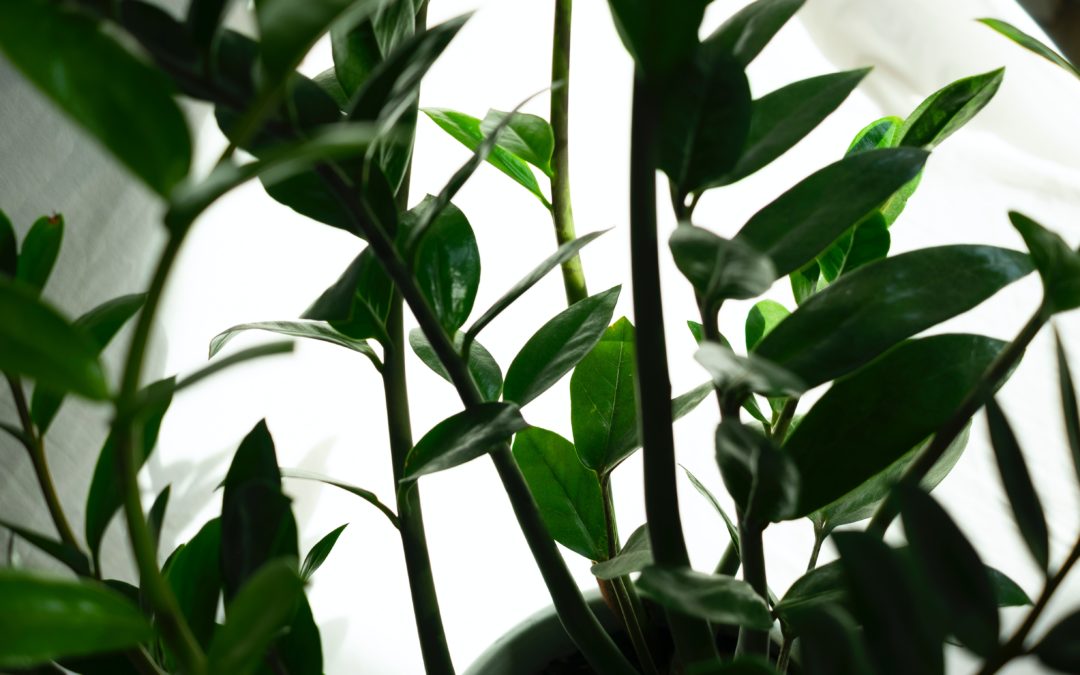
The options are almost endless when designing with plants. Want structure? Go for a Zamioculcas zamiifolia. Want a soft, comforting look? Ficus lyrata. Want to become an Instagram plant influencer? Monstera deliciosa, and don’t forget to hashtag #MonsteraMonday.
Indoor plants are the interior design jack-of-all-trades
Indoor plants aren’t just a pretty face. These practical benefits round off a room and solve some demanding design problems:
Plants can increase indoor humidity levels for dry areas or tough winters.
In an apartment block and tired of hearing the intimate details of your neighbor’s day? Use plants as a natural soundproofing material.
Upgrade your bachelor apartment with a living screen separating the living and bedroom areas.
Fill in empty corners with statement pieces or add some interest overhead with a few trailing plants.
Caring for indoor plants provides a sense of accomplishment
Keeping a plant alive can be onerous, especially for self-proclaimed plant murderers. As Theodore Roosevelt apparently said, “nothing in the world is worth having or worth doing unless it means effort, pain, difficulty”. He probably wasn’t talking about frantically watering the plant you forgot in a dark corner for three weeks, but it still applies.
Nurturing is part of the human experience. You don’t have to go full plant-parent and name your plants or sing to them — just caring for another living thing is enough to provide that connection and accomplishment we all seek.
Of all the companions to choose from, plants are super low maintenance. They won’t berate you for ignoring a text or ask, yet again, why you haven’t figured out what to do with your life. Plants don’t judge.
With all these positives, you should be convinced to fill your home with as many houseplants as you can find space for. Hopefully, you’ll have your own #IndoorJungle in no time.
Our Team is ready to answer any questions or concerns that you may have. Feel free to get in touch!
Office Hours: 8:00am – 16:00pm
If we are not available then email us and we will get back to you as soon as possible. hello@tanyavisser.com