Watering is one of the most frequent care tasks in indoor gardening. Unfortunately, it is also the area where most new houseplant owners go wrong. From overwatering to lack of drainage, there are many common mistakes that can lead to the demise of your plants. Avoid these 5 mistakes to keep your houseplants happy and healthy year-round.
#1: Watering Too Often
Overwatering is one of the greatest houseplant killers. Most plants (and especially houseplants) don’t like to sit in overly moist, soggy soil. This leads to a condition known as root rot, causing the roots to become soft and mushy. Once severe root rot sets in, it is incredibly difficult to save the plant, so this is one of the most vital mistakes to avoid.
Never water when the top layer of soil is still moist. Rather test it with your finger and add water when it begins to dry out, with the amount depending on the specific houseplants you have.
#2: Waiting Till The Plant Is Wilting To Water
On the other end of the watering spectrum, we have underwatering. For those who tend to forget about their houseplants, it’s quite common to wait until the plant is showing signs of struggle before watering again. Wilting and curling leaves are often used as an indicator of when to water. Unfortunately, if the plant has started wilting, it is likely facing water stress and should have been watered several days prior.
Again, testing the soil is the easiest way to avoid this mistake. Make it a habit to check the soil of your houseplants every couple of days to prevent over or underwatering.
#3: Watering Inside A Pot Cover
Pot covers are wonderful decorative additions to indoor gardens. Not only do they elevate your overall design by hiding unsightly plastic pots, but they can also be swapped and changed frequently – perfect for those indecisive designers that always feel the itch to change it up.
However, if you’re using pot covers for your houseplants, it’s vital to never water them inside this cover. Water quickly collects at the bottom and waterlogs the soil. The stagnant water also attracts bacteria that can harm your plants.
Always remove the plant from the pot cover before watering. Only return it to its original home once all the excess water has drained from the drainage holes. Alternatively, water inside the pot cover and pour the excess out after about 10 minutes.
#4: Watering On A Strict Schedule
The conditions around our houseplants change daily. From light levels to temperature and even humidity, there are several factors that can change how quickly the soil dries out week to week.
Watering on a strict schedule – say once per week as an example – ignores these factors, opening your plants up to stress from over or underwatering. Watering times are only a guideline and shouldn’t be followed strictly if you want to consistently water at the right time.
Always keep an eye on the soil and the performance of your plants to determine the best time to water. If you tend to forget, set a reminder to check the soil every few days and only water as needed.
#5: Lack Of Drainage Holes
Finally, the last mistake is using a pot with bad drainage or no drainage holes. When recycling containers, we may feel tempted to use ones without drainage holes to avoid the hassle of creating drainage holes ourselves. Often we find decorative pots that we desperately want to plant in for aesthetic value, ignoring their lack of drainage holes. Unfortunately, no matter how careful you are, this will eventually end up killing your houseplants. To resolve this issue, drill drainage holes into your chosen pot or simply use it as a pot cover, resting a plastic pot inside.
Pilea peperomioides is an incredibly popular houseplant, beloved for its compact growth and interesting leaves that lend it many common names, including UFO plant and Pancake plant. However, it is most commonly known as the Chinese Money Plant after its native region and appearance.
If these indoor plants have become one of your favorites, there is an easy way to get many more of them at no cost – propagation. Pilea peperomioides is incredibly easy to propagate as it produces small offsets that simply need to be replanted whenever they appear.
Follow these easy steps to grow more Chinese Money Plants for free.
Step 1: Check for Offsets
Before you start propagating, you’ll need to determine whether there are any suitable offsets to propagate. This isn’t a difficult task – simply check for any new growth of gathered leaves that looks like a tiny version of the parent plant. They will typically pop up from the soil in spring and summer but they can also grow directly from the stem.
Suitable offsets should be about 5cm in length or larger. This ensures they have received enough nutrients from the main plant to survive on their own without additional support.
Step 2: Prepare the Soil
Pileas have succulent-like leaves that hold plenty of water. They prefer their soil to dry out before the next watering and can’t stand waterlogged soil. The soil mix should therefore be airy and well-draining to prevent rot and deliver oxygen to the roots.
Make your own specialized houseplant soil mix by amending potting soil with perlite and palm peat. The palm peat lightens the mixture and retains moisture while the perlite increases the spaces between soil particles, improving drainage.
Step 3: Expose the Roots
With all preparation done, you’re ready to start propagating. As your offset will more than likely start underneath the soil, you’ll need to expose the connection between it and the main plant for removal.
Gently pull away the top layer of soil, following the bottom of the offsets to where the roots are. This will give you a clear view of where to remove the offset without impacting the rest of the roots. Alternatively, you can check for offsets while repotting and remove them when the soil is completely gone before moving to the new pot.
Step 4: Remove the Offset
Using a knife, remove the offset from the main plant at root level. Make sure your knife is sharpened and cleaned with soap and water to prevent damage and the spread of disease. The cut should be as clean as possible to give your offset the best start at new growth.
Step 5: Replant
Fill a small pot with the pre-made potting mix up to a few centimeters below the rim. This will stop any soil from spilling out when watering. Make a small hole in the centre and bury the base of the offset, ensuring the stems are above the soil line to prevent rotting. Gently firm down around the soil to anchor the offset in place.
Step 6: Water
Once planted, water the soil to remove any large air pockets and encourage root growth. Keep the soil moist but not waterlogged until the roots have established, then limit your watering.
Place the pot in a warm spot with bright indirect light. Once you spot new growth, you’re on your way to a mature, fully-fledged Pilea peperomioides.
Indoor plant care can be tricky, depending on which plants you own and how many you have. Between providing the right lighting, watering consistently, and watching temperature fluctuations, there is a lot to consider in keeping your houseplants alive.
However, those aren’t the only required tasks in indoor plant care. There are many other small tasks that will improve the look and growth of your plants over time. Some are mostly for aesthetics, which could be considered ‘manicuring’, while others do have a long-term impact on plant health. Make sure you tackle these tasks this year to give your plants the best start possible in 2022.
Clean The Leaves
Your first manicuring task is cleaning your plant’s leaves. Outdoors, plants receive a thorough cleaning when it rains, and enough wind to knock off any unwanted debris. Indoors, that is not the case. Homes are dusty and full of stagnant air – an environment not conducive to clean, shiny leaves.
As dust settles on your plants, their ‘breathing’ is obstructed. Plus, dusty plants, like dusty homes, are not particularly pleasing to the eye. Give your leaves a gentle wipe with a cloth every month or two after watering and wipe down the pot to remove dirt.
Remove Debris
The second task, only taking about five minutes out of your day, is to remove any dead leaves or debris around the base of the plant. In nature, plants are consistently surrounded by decaying leaves and plant debris. They prefer it, as these organic materials decompose and add nutrients back into the soil. But indoors, it’s not a great look, and can attract pests and diseases.
Every so often, just before the plant’s next watering, remove any decaying leaves that have fallen off the plant and any other materials obstructing the soil. You can also remove dying leaves from the plant before they drop. This will promote growth as the plant doesn’t expend any extra energy trying to keep a dying leaf alive.
Pruning
Committed indoor gardeners with unruly plants can attempt to prune once a year, although this is not usually necessary for most indoor plants as they grow far slower than they would outdoors.
Pruning promotes new growth and keeps the plant to a more manageable size. You are welcome to let your plants go wild and skip pruning altogether, but if you want your plants to be more compact, this is a good step to take. Hanging plants in particular may benefit from an occasional pruning to lower the pressure of the hanging stems on the base of the plant.
Repotting
Many indoor plant parents forget to repot, only considering the task when the plant shows signs of stress. However, your plants will be far happier when placed in their new pots at just the right time.
Due to their slower growth, most indoor plants will only need to be repotted every 2-3 years, or when their soil begins to degrade. Quick-growing plants may outgrow their pots faster than that, but mature established plants won’t mind a longer period between repotting.
This is one task you certainly don’t want to miss. As the roots begin to outgrow the pot, they may stop taking up moisture and essential nutrients. Growth will also slow and can stop completely, ultimately killing the plant. Degraded soil will have detrimental impacts on the health of your plant as it lacks nutrients and cannot hold onto moisture. If that time has come, make sure you don’t put off repotting this year.
If you’ve recently purchased a house or are experiencing a need to change your Feng Shui into a modern jungle, your goal should be to turn your concrete environment into a comforting home you can blissfully flourish in. Indoor plants can do just that!
A world filled with indoor plants
Adding a bit of greenery will make a world of difference to your living space. For instance, if you add an Aloe vera plant to your bedroom, you will not only be decorating your room but will also likely sleep much better, due to their air-purifying abilities. With a few cute décor elements and a lot of plants, your house will soon become a warm, soft and inviting space to live in.
Where do you begin if you feel like you have the opposite of ‘green fingers’?
Invite Some Green into your room
The colour green is alive, vibrant, and never goes out of season, especially this year! It’s even better when plants hang from your walls or chill in a nicely lit spot in the living room, or if you have some herbs growing in cute jars on your kitchen windowsill. Lush green plants bring a sense of fresh air into any space!
When you add plants to your home, make it a personal experience! Decide what do you like first, and take it from there. If you visit a nursery such as Plantland in Pretoria, you can have a lengthy and informative conversation about your plant needs with the knowledgeable staff.
Must have indoor plant collection
Chlorophytum comosum, known as the spider plant, just so happens to be indigenous to South Africa, and makes a great addition to any room. They are easy to care for, so even habitual plant killers will have to try really hard to knock this one off. Loads of indirect sunlight and a good watering a few times a week are all it needs. This plant is especially great if you have kids or pets because it is non-toxic.
Sansevieria, also known as snake plant or in Afrikaans as ‘skoonma se tong’, is an easy-to-take-care-of plant that can take different levels of light, so it can be placed anywhere in the house as long as there is some sun seeping into that room. This plant is amazing mostly because it releases oxygen while removing toxins from the air. Let’s not forget to mention that it is a cool-looking plant.
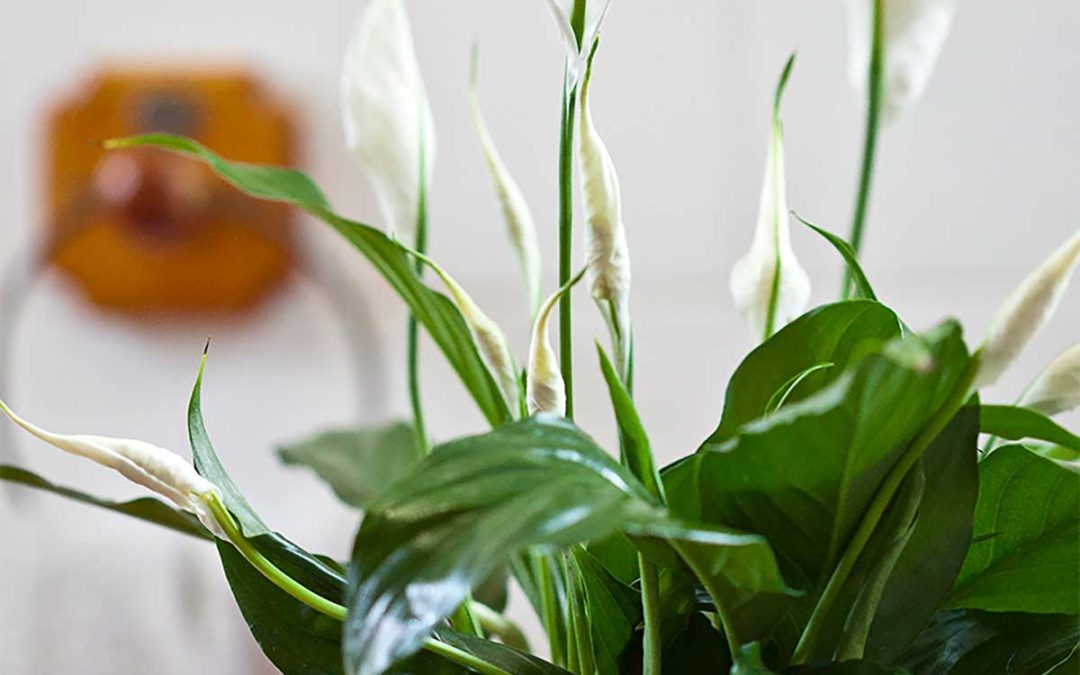
The peace lily (Spathiphyllum) creates a relaxing mood even when you just think of it. Its beautiful leathery leaves, its stunning white flowers and its ability to help reduce dust in a room by 20% are all big points in its favour. And when you water a peace lily, magic happens thanks to something called its high transpiration rate, which helps bring back moisture into the room.
Greening your house one room at a time – Thanks plants!
Adding nature to your space is immediately grounding and calming, and we hope our tips help you to start your journey towards living in a semi-jungle that you can call home! When you need a little help with which plant fits in what room, read Indoor plants: choosing the best one for every room.
Our Team is ready to answer any questions or concerns that you may have. Feel free to get in touch!
Office Hours: 8:00am – 16:00pm
If we are not available then email us and we will get back to you as soon as possible. hello@tanyavisser.com