These three plants never disappoint in the perennial quest for effortless garden beauty.
We’ve all had those moments when we yearn for a low-maintenance garden that can still captivate with its vibrant colours and textures. But choosing the right plants can be a challenge. Fear not! We’ve got a fabulous foursome that will bring life and allure to gardens across different climates, from Muizenberg to Musina. From the dramatic Carex ‘Everillo’ to the enchanting Hebe ‘Sunset Boulevard’, and the compact yet mighty ‘HibisQs’ series, let’s explore these three plants that will work their magic while you sit back and relax.
Carex ‘Everillo’Hebe ‘Sunset Boulevard’‘HibisQs’
Carex
Our first favourite of the three chommies is actually a whole genus – Carex. There are many varieties to choose from, but let’s shake up those sunny or shady garden spots with the showstopper Carex ‘Everillo’ or the majestic Carex ‘Feather Falls’.
‘Everillo’ is a trendsetter with cascading foliage that starts lime-green and changes to golden-yellow. ‘Feather Falls’ has clean, variegated green and white foliage and gets beautiful feathery flower plumes in spring. Both have similar growing characteristics:
They are evergreen.
They can be planted in the garden or in containers. Low-maintenance plants that are tough and resistant to cold and frost.
Create a dramatic visual impact.
Reliable choices for any garden.
Require well-draining soil enriched with compost and bonemeal.
Should be pruned regularly and heavily to keep them neat.
Reach 50 x 50cm.
Hebe ‘Sunset Boulevard’
Hold on to your gardening hats for famous hebes and let Hebe ‘Sunset Boulevard’ steal the spotlight.
This trendy shrub reaches a height of 1m.
It has dark pink flowers that bloom abundantly in summer and autumn.
It has glossy dark leaves and sassy red mid-ribs, adding glamour to the garden.
It thrives in well-drained soil.
Protection from frost is necessary.
It can be enjoyed in pots, rock gardens or mass plantings.
‘HibisQs’
Looking for vibrant flowers to brighten your garden and create the perfect selfie backdrop? Look no further than the compact hybrid ‘HibisQs’, bred from the hibiscus but with longer lasting flowers.
These small but mighty plants reach a height of up to 2m and width of 1.5m.
They showcase lush foliage and have a never-ending blooming season.
Each vibrant bloom features a contrasting eye zone or throat, adding visual appeal.
Planting one can instantly transform your patio, balcony or garden into a tropical paradise.
Plant in well-draining soil.
Protection from cold and frost is necessary.
Regular watering and appropriate fertilisation are essential for best results.
Lavender brings life to the garden with its vibrant purple hues and a fragrance that puts perfumes to shame.
A sun-loving superstar that attracts bees and butterflies while keeping pesky insects at bay, it thrives in well-drained sandy soil. This botanical diva is also waterwise and prolific, making it a perfect choice for pots or garden beds.
Lavender uses
Lavender has been a healing hero for centuries. Its antispasmodic, antiseptic and antibacterial powers, make it the ultimate first-aider to treat cuts, burns, stings and bruises.
Add a touch of finely chopped lavender leaves and flowers to stews, soups, roasted veggies or even rice – for a hint of perfume.
Lavender water has been around forever, and can be used as perfume or a hair rinse. Make your own by following the steps.
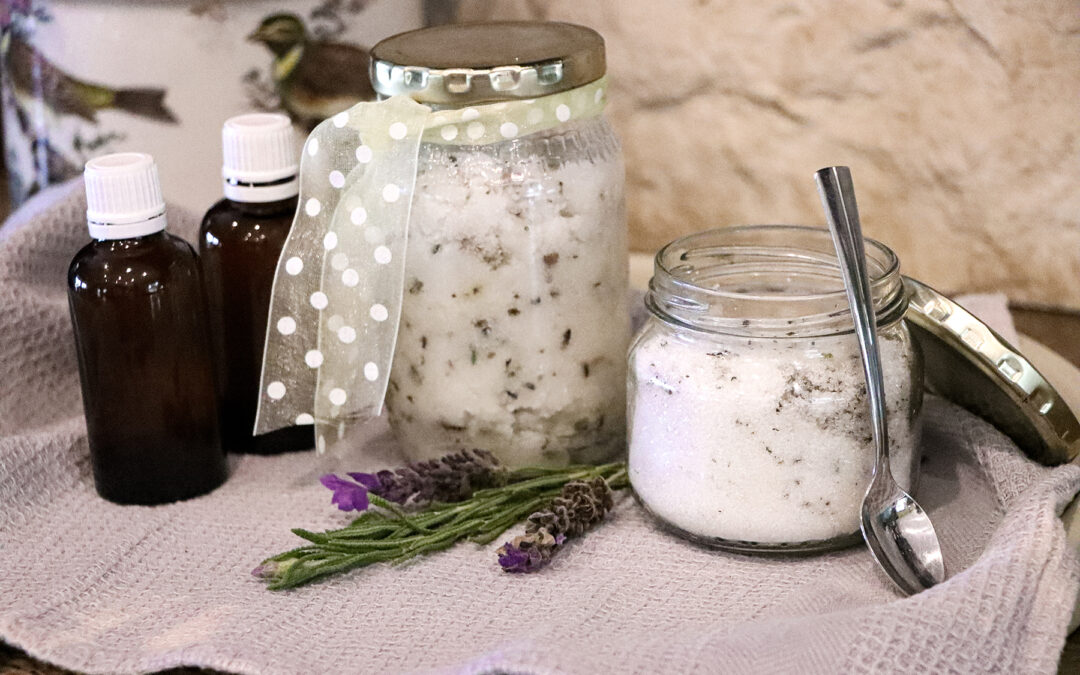
Make you own relaxing and destressing salt scrub for the bath. You can even decorate the jars with a ribbon if giving as a gift.
Lavenderwater
1. Pour 100ml of boiling water over 2 tablespoons of fresh or dried lavender flowers into a bowl lined with muslin cloth.
2. Cover the bowl and leave to cool at room temperature.
3. Strain the mixture and pour into a clean glass bottle and store it in the fridge.
Lavender salt scrub
1. In a large bowl add 2 cups of Epsom Salts, ½ cup of coconut oil at room temperature.
2. Add 2 tablespoons of lavender flowers – we used fresh flowers but you can use dried flowers too. Mix well to combine all the ingredients. If you want to add an extra bit of fragrance, add 10-20 drops of lavender oil.
3. Place your salt scrub in jars to seal in the moisture and fragrance.
Something sweet
For something sweet, add lavender flowers to cheesecakes, sorbet and ice cream. You can even infuse sugar with lavender for baking.
Follow the Thanks Plants campaign on www.thanksplantssa.co.za and enter the competition in the August, September and October issues of The Gardener and Die Tuinier.
It’s that time of the year again where the green industry plays an important role in reminding people about the importance of planting trees.
Arbour Week has been celebrated since 1800, founded by two lovers of nature, husband and wife team Julius and Carrie Sterling Morton. They were distressed by the lack of trees in Nebraska and quickly planted trees, shrubs and flowers in their own garden to start out with. Soon the trend followed.
“Trees were needed as windbreaks to keep soil in place, for fuel and for building materials, as well as for shade from the hot sun,” says daff.gov.za
Plant a tree
It is the year 2021, and we are still encouraged to plant trees for reasons that will remain pertinent forever. It is said that you do not plant a tree for yourself to enjoy, but for the enjoyment of future generations. Therefore, it is important to make sure that we have trees standing and providing us with shade for generations to come.
Trees are important to us for the following reasons:
Trees help to hold soil in place and prevent soil erosion.
Trees are an important habitat for wildlife; some animals spend their entire life living in trees and others depend on the forest for survival.
Trees feed us – just think of all the nutritious fruit and nuts we pick from trees.
Trees help increase property value by 5% ,or even higher depending on the size of the tree.
Trees help with saving energy by providing shade in summer and blocking strong winds in winter, therefore saving us energy we spend trying to cool and heat our spaces.
Trees help reduce loud noises in urban areas when planted strategically.
Some trees provide medicine for our use, such as tea tree and moringa trees.
The list of benefits from trees is much longer than these 10 point, such as how they help to regulate local water cycles by holding the water, therefore preventing flooding and maintaining water vapour in the air!
How to plant a tree
Plantland has a wide selection of trees available to choose from. You can choose indigenous trees or deciduous trees, flowering or evergreen. Just make sure you choose a tree you will enjoy looking at for years to come.
Tree planting procedure:
Dig a hole twice the height and width of the container of the tree. Fill the hole with water.
Mix the soil with a nutritious soil (like Malanseuns Compost) and add some bonemeal to the mixture to ensure healthy root growth.
Remove the tree from all packaging and place it in the hole, then fill up with soil to the top of the tree roots.
Press down firmly to ensure the tree is stable. Build a dam around the hole, to make sure the water will drain to the roots when watering.
Water your tree thoroughly twice a week until the tree can sustain itself.
Fertilise with 2:3:2 fertiliser when needed.
Trees are good.
Planting trees, even just one or two, can make a huge difference. Trees are our lifeline to cleaner air and a healthier environment as trees improve air quality by producing oxygen. We need trees now more than ever! Teaching our children from little to appreciate trees will do the world good. View our wide range of trees on plantland.co.za or in store
Our Team is ready to answer any questions or concerns that you may have. Feel free to get in touch!
Office Hours: 8:00am – 16:00pm
If we are not available then email us and we will get back to you as soon as possible. hello@tanyavisser.com