Houseplant Care: Best Practices for Watering Your Plants
When it comes to the causes of houseplant problems (and demises), water is usually the number one culprit. For beginner gardeners, standard advice such as “water once a week but do not overwater” may be difficult to understand, leading to incorrect practices and unhappy plants. Understanding when to water and how to water is vital to plant care success – here’s how you can ensure you get it right.
When to Water
It may be convenient for humans to live on a schedule, but plants don’t. Their needs are not determined by the days of the week. How often you water your plant will depend on several factors: soil conditions, the amount of light the plant is getting, or the seasons for example. And ‘right time’ almost never coincides with a perfect schedule.
The first factor, soil conditions, relates to the amount of moisture the plant needs in the soil. All plants need water at some point, but they all prefer different amounts.
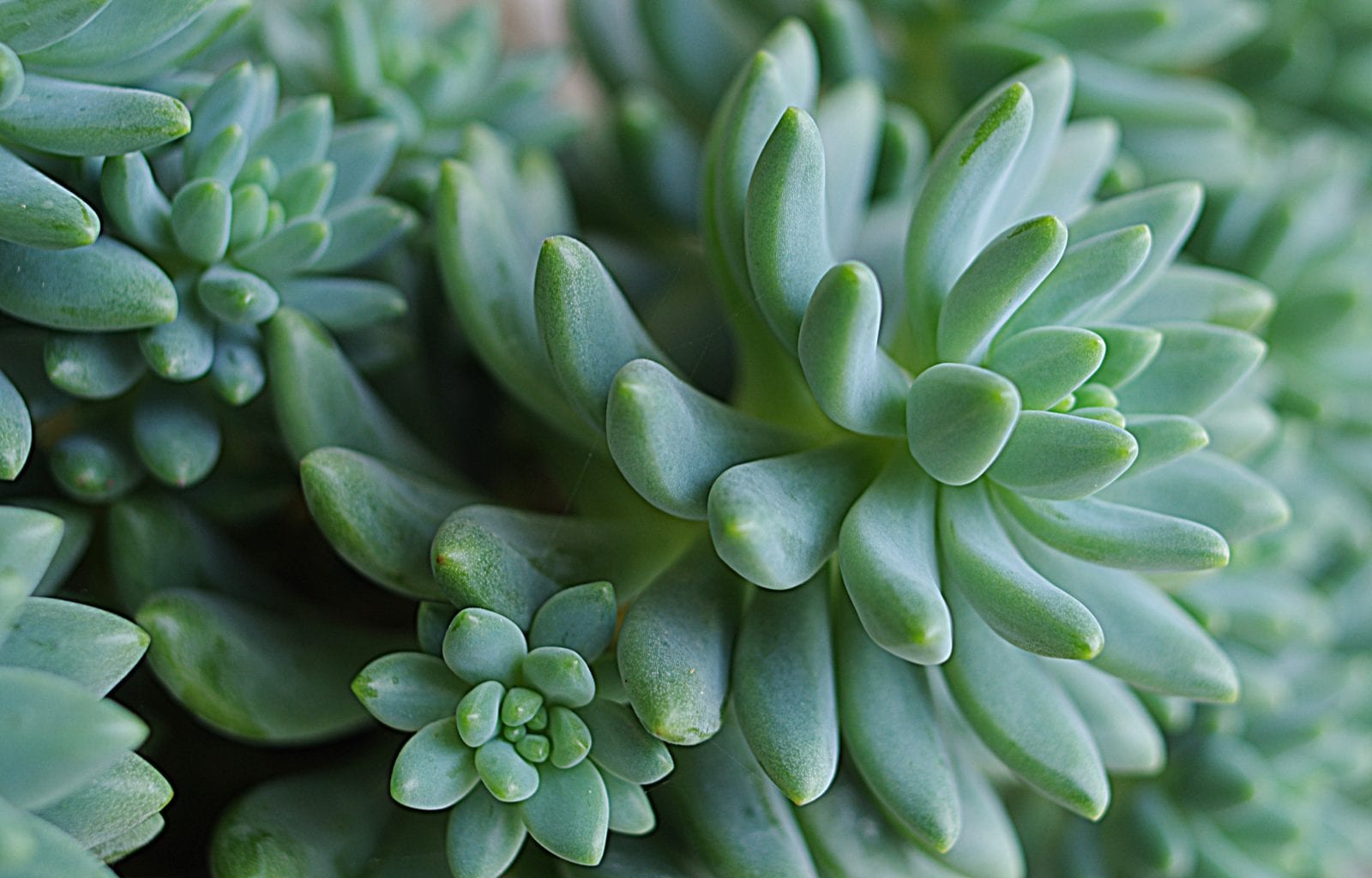
For example, succulents and cacti, holding most of the water they need in their leaves, prefer the soil to be completely dried out before they are watered again. The plant can only hold so much water in the leaves – any remaining water will stay in the soil and may cause the roots to rot.
Most indoor plants (usually tropical plants) need a good amount of water as their leaves do not store much. But they don’t like environments that are too moist either, so the top layer of soil should be dried out completely before watering. Other plants, like ferns with extremely thin leaves, like moist soil and a moist environment (although this does not mean soggy).
The soil will change conditions at different times depending on your environment, how much light the plant is getting, and the seasons (impacted by both changes in weather and increased growth rate in Spring).
Rather than watering your plants on a weekly basis (or whatever period is recommended) test the soil with your finger to determine if your plant needs water, based on the characteristics we interpreted before. If you like routine, you can always set a time once or twice a week to check all your plants and water as needed, instead of having to check them every day, or watering them anyway and facing the dreaded ‘overwatering’ scenario.
How to Water
There are three main methods of watering your indoor plants.
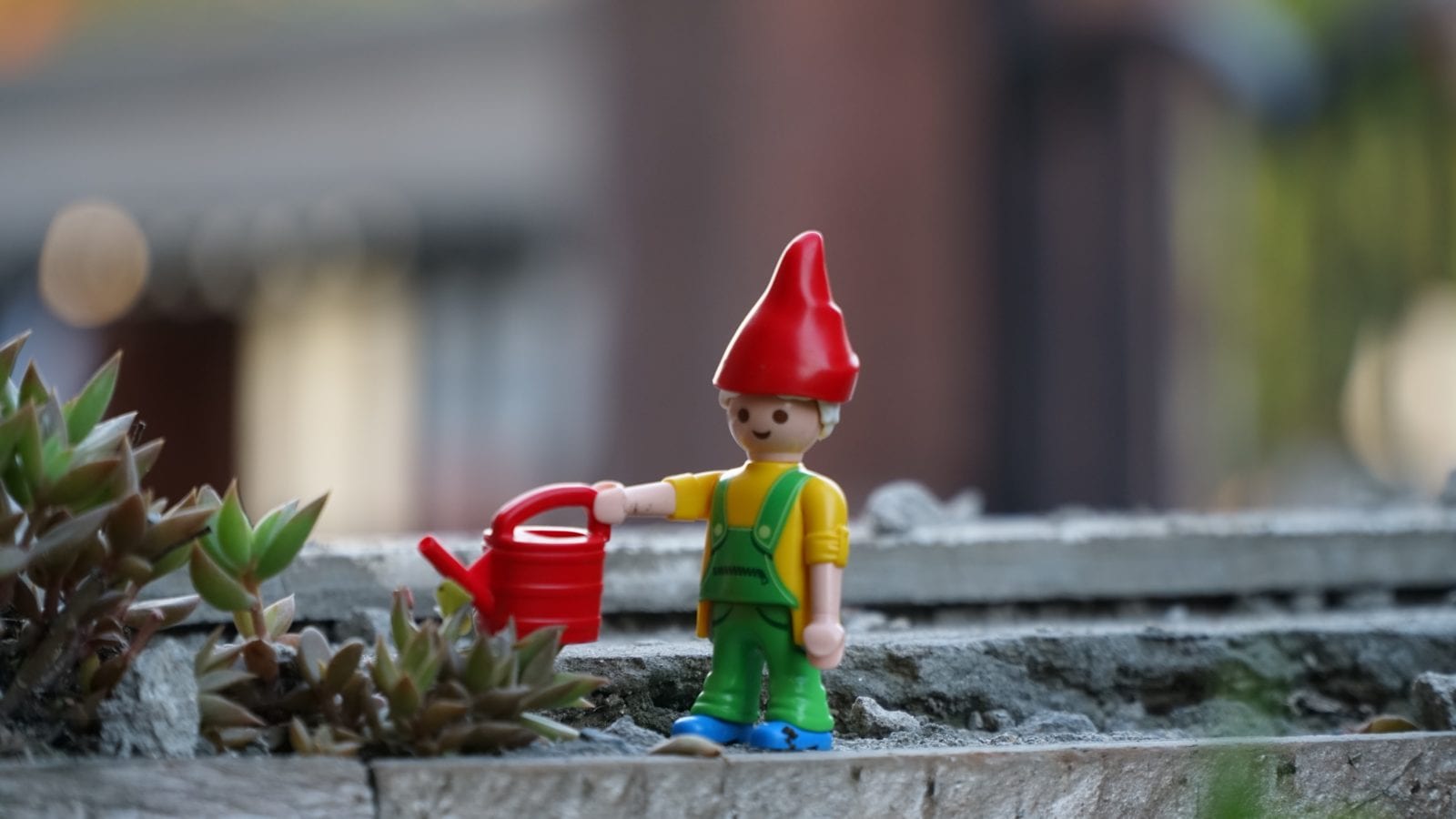
The first is to water gently with a watering can where the plant is placed. This is a handy method for a quick top-up but comes with some caveats. You’ll need to know exactly how much water the pot holds, so you water the soil enough to reach the bottom, but not so much that water runs out the drainage holes at the bottom (and hopefully onto the tray beneath it, not your shelf). If you do overwater, you will have to empty each tray to prevent the water from stagnating. Despite the caveats, this method is ideal for indoor gardeners with little time and a lot of plants.
The second method is watering over the sink, completely drenching the soil, and allowing the excess to run through. This may be tedious if you have a lot of plants, but it is a more reliable method.
If you forgot a watering cycle or two, soaking the soil over the sink may not be sufficient. Extremely dry soil will pull away from the sides of the pot and repel water (called hydrophobic soil). When the soil is extremely dry, the water will run off the top, down the sides of the pot, and out the drainage holes, without penetrating the soil. In these cases, you will need to use the third watering method – submerging.
Fill a sink or large container with a shallow layer of water and place the plants inside, allowing them to draw the water up from the bottom of the container. This way the plants can take up as much water as they need with even distribution. This process takes a couple of hours, but most plants should not be left in water for too long and can be removed as soon as the soil is soaked through.