In South Africa, if your lavender has been in your garden for more than two years, well, you’re a botanical boss! If not, we have some suggestions.
Lavenders love warm and dry conditions, plus they are relatively hardy against the cold and can withstand light frost. Plant them in a sunny spot where they can soak up the sunbeams all day long. Don’t plant them too close to each other, to give them some room to breathe.
Common Lavender problems
Lavenders need a good drink to quench their thirst, but be careful not to drown their delicate roots as they don’t like having wet feet. Water regularly until their roots are strong, allowing the soil to dry out slightly between watering sessions.
Overwatering and too much humidity can cause fungal diseases. Use a contact fungicide as a foliar spray to treat your lavender and keep them happy and thriving – just make sure to read the instructions and dilution rate.
Lavenders need slightly alkaline, sandy to loamy soil that is well-draining. If your garden soil feels sticky, like a heavy clay soil, work in generous quantities of river sand and compost to improve drainage. Or plant in raised beds or pots filled with good quality compost and potting soil.
Lavenders do need a haircut after they have finished blooming, to keep them looking gorgeous. We don’t want our lavender to grow tall and leggy with bare stems and foliage only at the top. Look at where your lavender is starting to push new leaves, and avoid cutting into a stem that has no foliage.
1234
Steps for pruning lavender
1. Divide the plant into 3 equal parts.
2. Cut off the top two thirds from half the plant only.
3. Wait until the pruned section starts to grow and then cut the other half of the plant.
4. Remember to feed and water your lavender after their trim.
Follow the Thanks Plants campaign on www.thanksplantssa.co.za and enter the competition in the August, September and October issues of The Gardener and Die Tuinier.
Lavender brings life to the garden with its vibrant purple hues and a fragrance that puts perfumes to shame.
A sun-loving superstar that attracts bees and butterflies while keeping pesky insects at bay, it thrives in well-drained sandy soil. This botanical diva is also waterwise and prolific, making it a perfect choice for pots or garden beds.
Lavender uses
Lavender has been a healing hero for centuries. Its antispasmodic, antiseptic and antibacterial powers, make it the ultimate first-aider to treat cuts, burns, stings and bruises.
Add a touch of finely chopped lavender leaves and flowers to stews, soups, roasted veggies or even rice – for a hint of perfume.
Lavender water has been around forever, and can be used as perfume or a hair rinse. Make your own by following the steps.
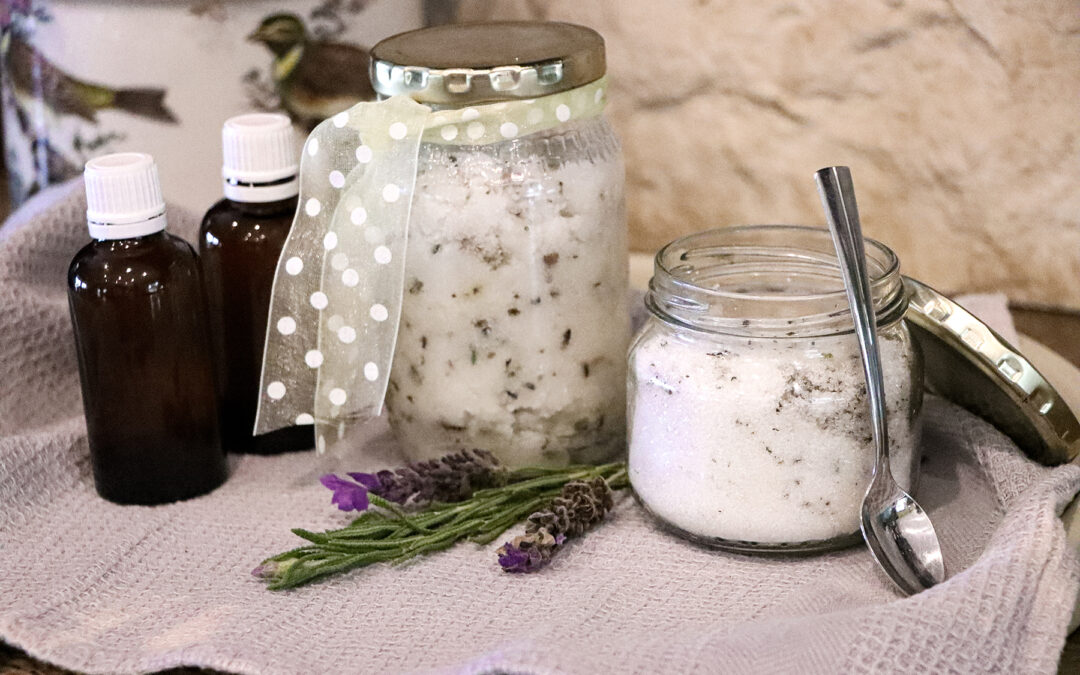
Make you own relaxing and destressing salt scrub for the bath. You can even decorate the jars with a ribbon if giving as a gift.
Lavenderwater
1. Pour 100ml of boiling water over 2 tablespoons of fresh or dried lavender flowers into a bowl lined with muslin cloth.
2. Cover the bowl and leave to cool at room temperature.
3. Strain the mixture and pour into a clean glass bottle and store it in the fridge.
Lavender salt scrub
1. In a large bowl add 2 cups of Epsom Salts, ½ cup of coconut oil at room temperature.
2. Add 2 tablespoons of lavender flowers – we used fresh flowers but you can use dried flowers too. Mix well to combine all the ingredients. If you want to add an extra bit of fragrance, add 10-20 drops of lavender oil.
3. Place your salt scrub in jars to seal in the moisture and fragrance.
Something sweet
For something sweet, add lavender flowers to cheesecakes, sorbet and ice cream. You can even infuse sugar with lavender for baking.
Follow the Thanks Plants campaign on www.thanksplantssa.co.za and enter the competition in the August, September and October issues of The Gardener and Die Tuinier.
Gardens are incomplete without at least one lavender plant. These popular perennials add a touch of purple to flower beds, borders, and everywhere in between. They are also incredibly resilient and low-maintenance, perfect for gardeners with little time on their hands for tedious or fussy plants.
However, that doesn’t mean they are without problems. Like any plant, incorrect conditions and care can lead to issues that, if not resolved in time, will lead to the demise of your plant. If your lavender isn’t looking as good as you’d hoped, take a look at these potential causes to fix it at the source.
Wilting
Originating from the Mediterranean, lavender plants are accustomed to dry summers and rainy winters. They are also drought-tolerant, making them ideal for hot South African weather. They prefer their soil on the drier side and don’t often require additional watering, except in regions without winter rainfall.
If your plant is left to sit in waterlogged soil, either due to excessive rainfall, compacted soil or simply overwatering, it will start to show signs of struggle. The new herbaceous growth may droop over and become soft, while foliage on the woody base growth turns brown.
Make sure the planting area is in full sun, away from any areas where water pools. The soil should be loose and well-draining to prevent any moisture from sticking around in the soil for too long. Lavender rarely, if ever, requires additional watering once established as excessive water will only do more harm than good.
No Flowers or Fragrance
If you’ve ever dreamt of summery fields of lavender in the Mediterranean sunshine, you’ll already know these plants are fans of full sun. They need as much bright light as they can get and certainly aren’t suitable for shaded areas.
If your lavender gets less than six hours of direct sunlight every day, it won’t perform as expected. Firstly, you likely won’t see many flowers, or any at all if the shade is severe. The leaves can also start to become duller in color, losing their vigor. Finally, a sign you may not notice straight away is a change in fragrance. Lavenders in low light can also lose their scent slightly – not something potpourri lovers will be happy with.
Always plant in full sun areas – the more sunlight these perennials get, the better. Those with smaller gardens can also plant in containers, allowing you to move the plant to a sunnier spot as needed throughout the seasons.
Leaf Loss
Many regions of South Africa have moderate temperatures. However, gardeners are not strangers to occasional bouts of frost which can completely ruin entire beds if not protected.
Your lavender’s response to cold temperatures will depend on the type. English lavender doesn’t mind temperature dips and frosty evenings, but French and Spanish lavender cannot tolerate the cold as well. Frost damage can cause these types to turn brown and drop all of their foliage, with degree depending on the length of the exposure.
Choose the right type of lavender for your region or protect your plants from the cold with a frost blanket when any signs of temperature dips emerge.
There are few things nicer than walking in your garden, soaking up the sun, smelling all the different fragrances of the flowers and hearing the bees humming away. One specific plants comes to mind when picturing this image, and it is the lovely Lavandula dentata ‘Elegans‘.
As they dance in the wind with their long dainty stems topped with a vibrant purple, we now understand why bees absolutely love these shrubs!
Lavendula dentata ‘Elegans’
A bushy shrub with fragrant dark green leaves and dark purple flowers from spring to summer, they love to be planted in the sun where they can cope with all the shine in your garden! The Lavendula dentata ‘Elegans’ grown by Malanseuns is excellent to use for cut flowers and can be used as pot-pouri as well.
When you think of planting lavender, don’t limit its use to garden beds bedding – use the lavender as a fragrant hedge in your driveway or try it in a beautiful pot on your patio to enjoy.
What benefits would you enjoy from this delicate perennial?
Lavendula dentata ‘Elegans’ is a very versatile plant that can be used for cooking, for decorating and for aromatherapy apart from using it in your garden. We would say yes to choosing this plant for all these wonderful reasons!
Bringing the lavender fragrance indoors
Savouring the Lavendula dentata ‘Elegans’ in your food is a treat, from baking with lavender to savoury dishes or making a soft lavender ice-cream – lavender brings a floral-earthiness-minty type of flavour and aroma to food. How delicious!
If you’re not sure how to use lavender in your food, always choose to use it sparingly because its scent can be a little overwhelming, like vanilla. We suggest to rather start mixing a little bit with your dish, along with other great pairing herbs such as thyme and rosemary, and as you get used to the taste explore with different combinations. You can use freshly picked lavender or ground dry buds that you can keep as spice in your cabinet, for you to explore with in the kitchen.
Easy chicken and lavender recipe:
We found this easy and delicious chicken recipe for you to try. Thank you www.sumptuousspoonfuls.com for this recipe! Enjoy readers.
Ingredients:
1/2 tablespoon olive oil
3 – 4 chicken leg quarters (or other chicken pieces)
1/2 cup white wine
1 tablespoon honey
10 cloves of garlic, peeled and halved
Several sprigs of fresh lavender leaves
1 lemon, cut into slices, rind and seeds (mostly) removed
Seasoning of your choice, including freshly ground pepper
Instructions
Preheat oven to 200°C.
Heat an oven-proof pan over medium heat, then add the olive oil and swirl around to coat the bottom of the pan.
Fry the chicken till the skin is golden brown on both sides (not to cook the chicken, just to brown it).
Remove the chicken from the pan, drain the excess fat, add the wine and honey, and swirl around to deglaze the pan.
Arrange the chicken pieces in the pan, sprinkle with pepper and other seasoning, then sprinkle with lots of lavender leaves and add the lemon slices on top.
Set the pan in the oven and set a sheet of aluminium foil on top for 20 minutes.
Remove the foil and let cook for another 20 – 25 minutes or until the juices of the chicken run clear when poked with a knife.
Add some fragrance to your garden
Next time you visit Plantland, remember to add the Lavendula dentata ‘Elegans’ to your trolley: you will be amazed as to all the astounding things you can do with this perfect lavender.
Our Team is ready to answer any questions or concerns that you may have. Feel free to get in touch!
Office Hours: 8:00am – 16:00pm
If we are not available then email us and we will get back to you as soon as possible. hello@tanyavisser.com